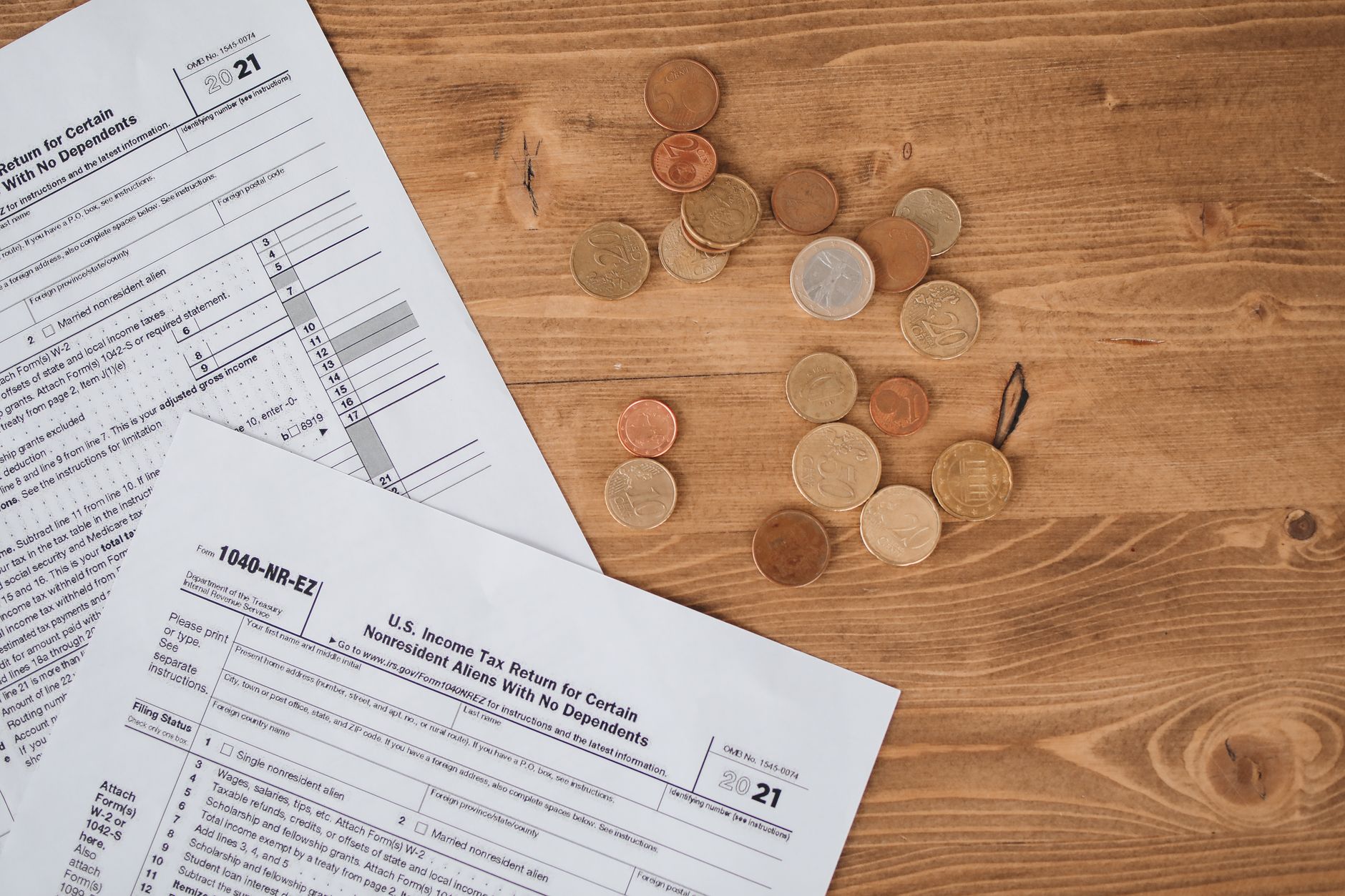
Budget 2026 tax changes are set to reshape personal finance. With confirmed rules under Andy Burnham, understanding these changes is essential for effective financial planning.
Overview of Budget 2026
The upcoming Budget 2026 tax changes are poised to significantly impact individuals and businesses alike. As confirmed by Andy Burnham, various alterations to the current tax landscape are set to take effect, aimed at addressing fiscal challenges and promoting economic growth.
One of the key aspects of the Budget 2026 tax changes is the introduction of new tax brackets for higher earners. This move is designed to increase revenue while ensuring equity within the taxation system. Additionally, the government plans to revise capital gains tax rates, which could affect how investments are taxed moving forward.
Moreover, several relief measures are expected to be introduced, particularly for small businesses struggling to recover from the pandemic. These measures may include:
- Increased thresholds for certain tax obligations to ease the burden on new enterprises.
- Tax credits for businesses that invest in green technologies, promoting sustainability.
- Extended exemptions for low-income families, aimed at reducing financial strain.
As the details of the Budget 2026 tax changes continue to emerge, both taxpayers and financial experts are keenly analyzing the potential implications. Ensuring preparedness and understanding the nuances of these changes will be crucial for effective financial planning in the coming years.
Key Tax Changes Explained
The Budget 2026 tax changes have been a topic of much discussion and speculation among taxpayers and financial experts alike. As the government aims to address pressing economic challenges, several key adjustments have been confirmed that will impact individuals and businesses.
One of the most notable changes involves increases in personal income tax thresholds. This adjustment is designed to provide relief to middle-income earners, allowing them to retain a greater portion of their earnings.
Additionally, corporate tax rates are set to be revised, which may influence investment decisions for businesses. The government is encouraging reinvestment into local economies by offering tax incentives for companies that expand their operations within the country.
Another significant aspect of the Budget 2026 tax changes is the introduction of green tax credits. These credits aim to promote environmentally friendly practices among both individuals and businesses, encouraging the adoption of renewable energy sources.
Finally, the government has announced plans to tighten regulations on tax avoidance schemes. This move is expected to ensure that all taxpayers contribute their fair share, thereby enhancing overall fiscal responsibility.
As the Budget 2026 tax changes are implemented, taxpayers are encouraged to stay informed and consult financial advisors to navigate the new landscape effectively.
Impact on Personal Finance
The recently announced Budget 2026 tax changes are set to have a significant impact on personal finance for individuals and families across the country. As the government aims to stimulate economic growth and support public services, the alterations in tax policy will require careful consideration and adjustment by taxpayers.
One of the most noteworthy adjustments is the increase in income tax thresholds, which could provide taxpayers with more disposable income. This change is particularly beneficial for middle-income earners, allowing them to retain a larger portion of their earnings. However, it is essential to analyze how these adjustments interact with other tax variables.
Additionally, the introduction of targeted tax credits aims to support specific demographics, including low-income families and the elderly. These credits are designed to alleviate financial burdens and encourage spending in local economies.
To adapt effectively to the Budget 2026 tax changes, individuals should consider the following strategies:
- Review your tax bracket to understand how the new thresholds affect your tax obligations.
- Explore new tax credits that may apply to your situation, ensuring you claim all eligible benefits.
- Consult with a tax professional to strategize on optimizing your personal finance in light of the changes.
Being proactive will help taxpayers navigate the evolving landscape of personal finance in light of these tax reforms.
How to Prepare for New Rules
As taxpayers brace for the Budget 2026 tax changes, preparation is key to navigating the upcoming adjustments effectively. Here are some strategies to ensure you are ready for the new rules:
- Review your current financial situation: Take stock of your income, expenses, and investments. Understanding your financial landscape will help you assess how the new tax changes may affect you.
- Stay informed: Keep up with credible news sources and official announcements regarding the Budget 2026 tax changes. Being aware of the specifics will allow you to make informed decisions.
- Consult a tax professional: Engage with a tax advisor who can provide personalized insights based on your circumstances. They can help you strategize to minimize your tax liability under the new rules.
- Adjust your budget: Consider revising your budget to accommodate potential increases in tax obligations. This might involve cutting unnecessary expenses or increasing savings.
- Explore tax-efficient investments: Look into tax-advantaged accounts and investment options that align with the upcoming changes. This proactive approach can help mitigate tax impacts.
By adopting these strategies, individuals and families can better prepare for the anticipated Budget 2026 tax changes and safeguard their financial well-being.
Photo by Polina Tankilevitch on Pexels