The space jellyfish effect is a captivating phenomenon observed during the recent SpaceX launch. This article delves into the science behind this stunning visual spectacle.
What is the Space Jellyfish Effect?
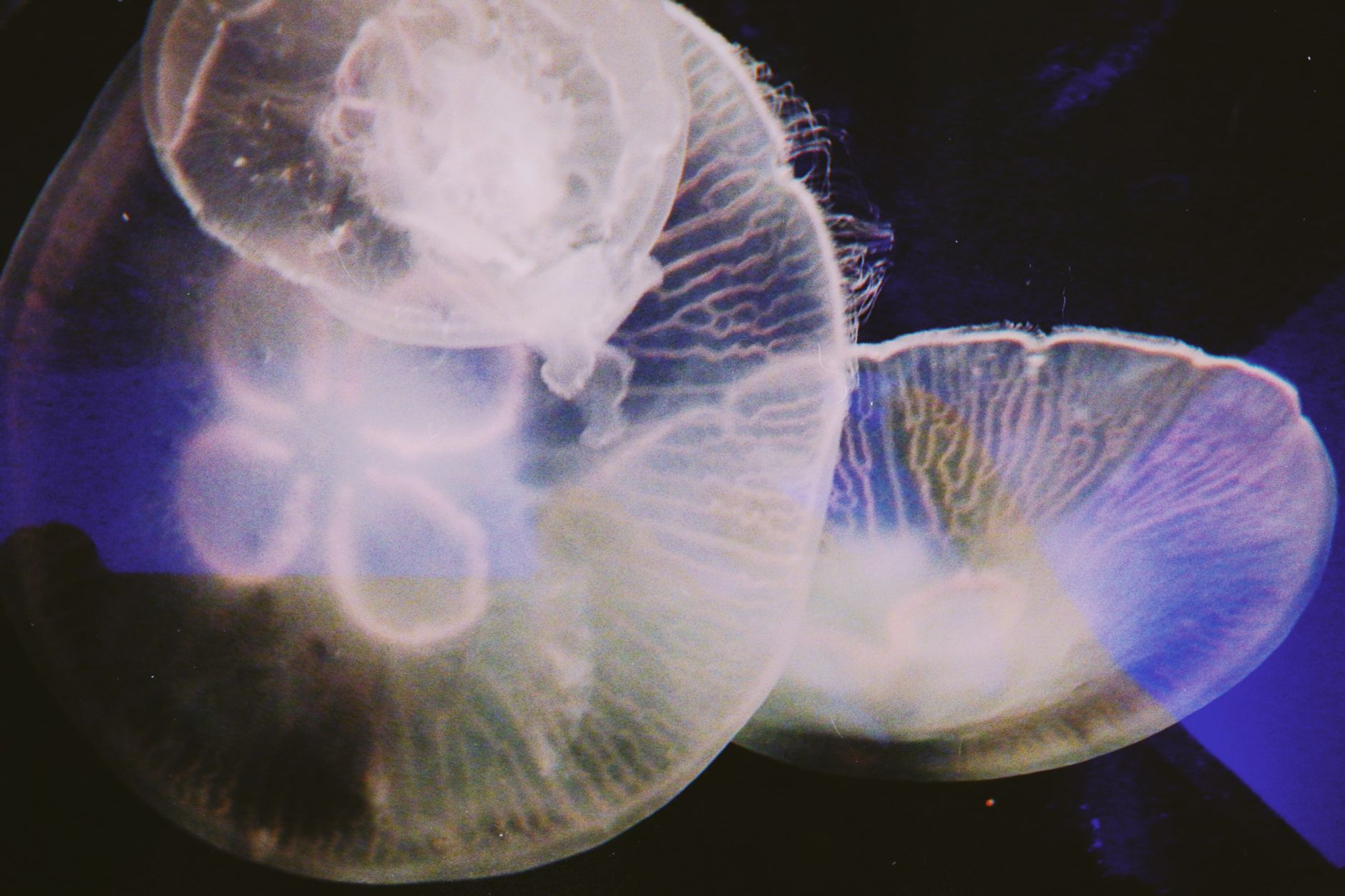
The Space Jellyfish Effect refers to the mesmerizing visual phenomenon observed during certain rocket launches, particularly those conducted by SpaceX. This effect occurs when the rocket’s exhaust interacts with the Earth’s atmosphere, creating luminous, jellyfish-like shapes in the sky. As the rocket ascends, the exhaust plume expands and cools, leading to the formation of distinctive, billowing clouds that resemble the tentacles of jellyfish.
Several factors contribute to this effect, including:
- The altitude at which the rocket is launched
- The atmospheric conditions, such as humidity and temperature
- The specific design of the rocket’s engines
These elements combine to create a stunning visual spectacle that captivates onlookers and highlights the wonders of modern space exploration.
How SpaceX Creates Stunning Visuals
SpaceX’s impressive launches have captured the imagination of many, particularly due to the phenomenon known as the space jellyfish effect. This stunning visual occurs when rocket engines ignite and expel exhaust in the thin atmosphere of high altitudes. As the hot gases mix with cooler air, they create intricate, jellyfish-like shapes that drift through the sky.
Several factors contribute to this mesmerizing display:
- Engine Design: The unique design of SpaceX engines allows for a distinctive plume pattern.
- Altitude: Launching at high altitudes enhances the visibility of the exhaust.
- Weather Conditions: Clear skies and specific atmospheric conditions amplify the effect.
The combination of these elements results in the ethereal beauty that has led observers to coin the term “space jellyfish effect.”
The Science Behind the Phenomenon
The space jellyfish effect is a captivating visual phenomenon that occurs during rocket launches. It results from the interaction between the rocket’s exhaust and the upper atmosphere. As the rocket ascends, it releases a plume of gas that expands rapidly, creating a billowing, jellyfish-like shape.
This effect is primarily due to the temperature differences in the atmosphere at high altitudes. The hot gases from the rocket encounter cooler air, leading to condensation and the formation of visible clouds. Additionally, the light scattering from the exhaust particles contributes to the mesmerizing colors observed in the sky.
Scientists continue to study the space jellyfish effect to better understand its implications for atmospheric science and space exploration.
Why Do We See This Effect?
The space jellyfish effect is a captivating phenomenon that occurs during rocket launches, particularly those conducted by SpaceX. This visual spectacle is primarily attributed to the interaction of rocket exhaust with the upper atmosphere. As the rocket ascends, its exhaust plume expands and cools, creating a cloud-like structure that resembles a jellyfish drifting in the ocean.
Several factors contribute to the visibility of this effect:
- Altitude: At high altitudes, the exhaust can become illuminated by sunlight, enhancing its visibility.
- Weather Conditions: Clear skies allow for an unobstructed view of the plume, while humidity can create a more pronounced effect.
- Rocket Design: The shape and thrust of the rocket influence how the exhaust disperses.
These elements combined create the mesmerizing space jellyfish effect that has captured the imagination of many observers.
Reactions to the Space Jellyfish Effect
The Space Jellyfish Effect has captivated viewers worldwide, sparking a range of reactions from awe to curiosity. Many spectators describe the phenomenon as a mesmerizing display, likening it to an ethereal jellyfish drifting in the cosmos.
Social media platforms have been flooded with videos and images, with users expressing their amazement:
- “I’ve never seen anything like this before!”
- “The colors are just stunning, like a painting in the sky.”
- “Is this real? It looks like something out of a sci-fi movie!”
Experts have also weighed in, emphasizing the significance of the Space Jellyfish Effect in understanding rocket plumes and atmospheric interactions, further adding to the intrigue surrounding this spectacular occurrence.
Future Space Launches and Visual Effects
As space exploration continues to advance, future space launches are expected to showcase even more spectacular displays of the space jellyfish effect. With improvements in rocket technology and fuel composition, scientists predict that the mesmerizing visuals seen during launches will become increasingly intricate.
Upcoming missions may incorporate advanced tracking and imaging technology to capture the fluid dynamics of rocket plumes. This could lead to greater understanding of the phenomenon and enhance the visual experience for viewers on Earth.
Moreover, as public interest in space travel grows, space agencies and private companies alike are likely to invest in high-quality visual effects to attract audiences. The combination of artistic presentation and scientific exploration will transform how we perceive these breathtaking events.
In the future, the space jellyfish effect may become a hallmark of space launches, captivating audiences worldwide.
Photo by Madzery Ma on Pexels
Read the original
IPO size revision: Easy proven strategies for investors · Q2 earnings results: Clear insights on market performance · HealthStream stock hits Proven 52-week high at 33.37 USD