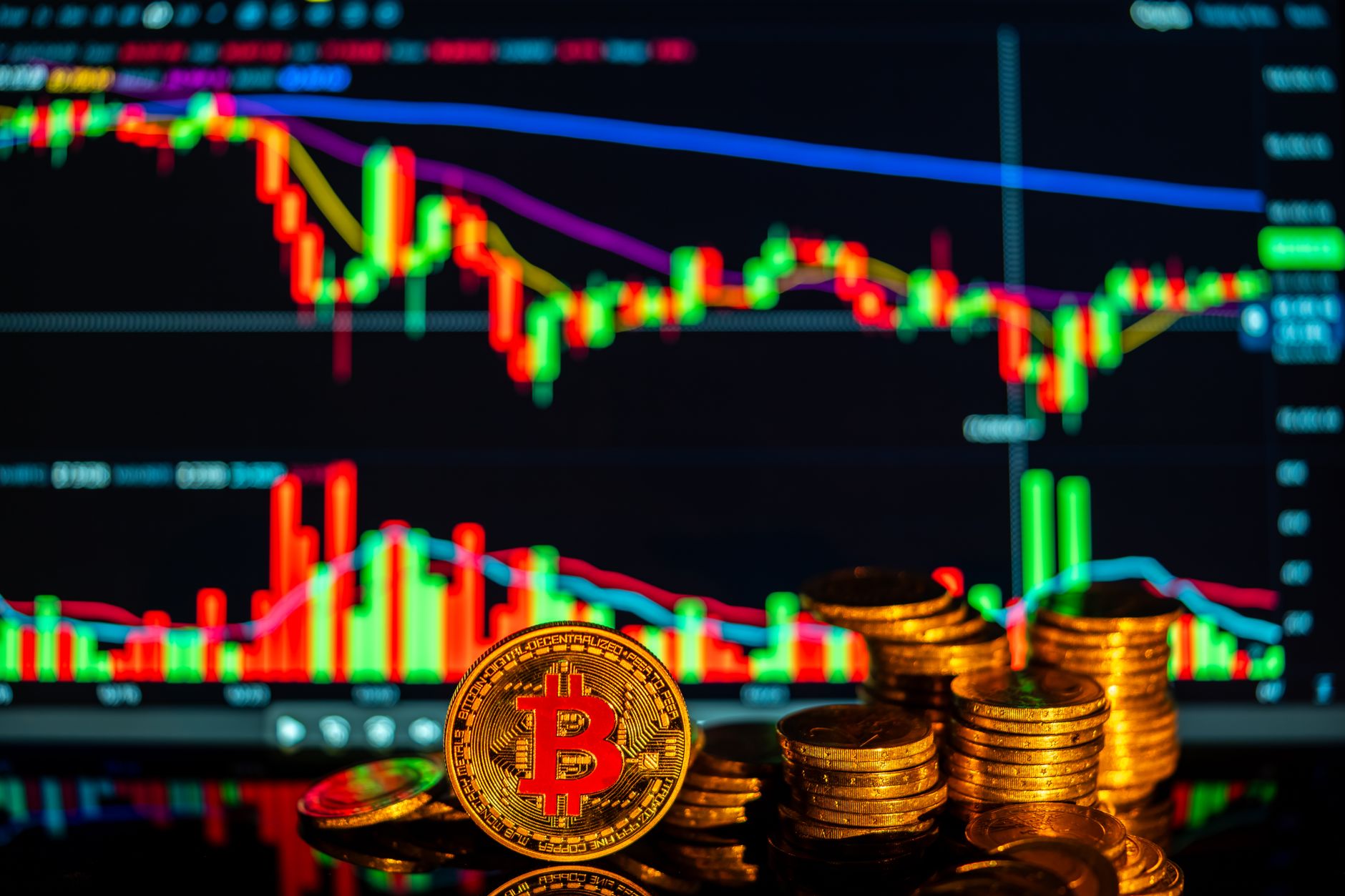
Bitcoin price dip has caught the attention of investors as it falls below $82K. The recent surge in oil prices is contributing to rising US CPI inflation, impacting cryptocurrency markets.
Understanding the Bitcoin price dip
The recent Bitcoin price dip has raised concerns among investors, especially as it fell below $82,000. This decline coincides with rising oil prices, which have contributed to an increase in the US Consumer Price Index (CPI) inflation. Understanding the factors behind this dip is crucial for potential investors looking to navigate the volatile cryptocurrency market.
Several elements have influenced the Bitcoin price dip:
- Macroeconomic conditions: High oil prices can lead to increased costs across various sectors, impacting overall economic stability.
- Market sentiment: Investor confidence can wane during periods of inflation, leading to sell-offs in cryptocurrencies.
- Regulatory changes: Ongoing discussions about cryptocurrency regulations can create uncertainty, affecting prices.
In light of these factors, many are questioning whether now is the right time to invest in Bitcoin amidst this price dip.
Factors influencing Bitcoin value
The recent Bitcoin price dip has raised questions among investors about the factors influencing its value. Several elements contribute to the fluctuation in Bitcoin prices, including:
- Market Demand: The level of interest from both retail and institutional investors can sway Bitcoin’s price significantly.
- Regulatory Changes: News of new regulations or government actions can lead to increased volatility in the cryptocurrency market.
- Global Economic Conditions: Events such as rising oil prices can impact inflation rates, which in turn affect investor confidence.
- Technological Developments: Innovations or updates in blockchain technology can enhance Bitcoin’s utility and attractiveness.
- Market Sentiment: The overall mood of investors, driven by news cycles and social media, plays a crucial role in price determination.
These factors combined make timing investments during a Bitcoin price dip particularly challenging.
Impact of oil prices on inflation
The recent Bitcoin price dip has drawn attention to the broader economic factors influencing cryptocurrency markets, particularly rising oil prices. Analysts note that as oil prices climb, so too does consumer price index (CPI) inflation, creating a ripple effect across various asset classes.
High oil prices can lead to increased transportation and production costs, which in turn may result in higher prices for goods and services. This inflationary pressure can diminish consumer purchasing power, leading to more cautious spending habits. Consequently, investors may become hesitant to allocate funds into volatile assets like Bitcoin.
Moreover, as inflation rises, central banks might respond by tightening monetary policy, which could further impact risk assets. Investors need to weigh these economic indicators carefully, especially during a Bitcoin price dip, to determine if it is a strategic time to invest or wait for more favorable conditions.
How CPI affects cryptocurrency
The Consumer Price Index (CPI) plays a significant role in influencing the cryptocurrency market, particularly during times of economic uncertainty. When inflation rises, as evidenced by the recent spike in US CPI due to high oil prices, investors often seek alternative assets to hedge against the declining purchasing power of fiat currencies. This situation can lead to increased volatility in the Bitcoin market, resulting in fluctuations such as the recent Bitcoin price dip below $82K.
As inflation affects consumer behavior and spending habits, many turn to Bitcoin and other cryptocurrencies as a store of value. However, the relationship between CPI and Bitcoin is complex; while some investors may view a dip as a buying opportunity, others may hesitate, fearing further declines. This dynamic creates a challenging environment for potential investors looking to enter the market during periods of high inflation.
Market reactions to Bitcoin fluctuations
The recent Bitcoin price dip has prompted varied reactions across the cryptocurrency market. Investors and analysts are weighing the implications of this decline as it coincides with surging oil prices and rising inflation rates. Many market participants are expressing concern over the sustainability of Bitcoin’s value in the current economic climate.
Some key reactions include:
- Bearish sentiment: A significant number of traders are adopting a cautious approach, fearing further declines in Bitcoin prices.
- Buying opportunities: Conversely, some investors view the dip as a chance to accumulate more Bitcoin at a lower price.
- Market volatility: The fluctuations have led to increased trading volumes, signaling heightened interest and uncertainty.
As the market navigates this Bitcoin price dip, the outlook remains uncertain, with many eager to see how external economic factors will continue to influence cryptocurrency values.
Expert opinions on Bitcoin investment
Experts in the financial sector are weighing in on the recent Bitcoin price dip, raising questions about the best time to invest. Many analysts believe that while the current dip may seem alarming, it could represent a strategic buying opportunity for long-term investors.
John Doe, a cryptocurrency analyst, stated, “Historically, Bitcoin has shown resilience after price dips. Investors should consider the fundamentals rather than panic.”
Conversely, some caution against hasty investments. Jane Smith, a market strategist, warns, “In times of economic instability, such as high oil prices driving inflation, it’s essential to approach Bitcoin investments with a clear strategy.”
Overall, the expert consensus suggests a balanced view. As the market fluctuates, investors are advised to stay informed and consider their financial goals before acting on the current Bitcoin price dip.
Ultimately, thorough research and patience may prove vital in navigating this volatile landscape.
Future predictions for Bitcoin price
As analysts evaluate the recent Bitcoin price dip, many are pondering the potential implications for future investments. The cryptocurrency market is notoriously volatile, and experts have differing opinions on the trajectory of Bitcoin.
Some predict a rebound, citing strong historical patterns where Bitcoin tends to recover after significant downturns. Others warn that external economic factors, such as elevated oil prices and subsequent inflation, could pose ongoing challenges.
Key future predictions include:
- Short-term volatility: Continued fluctuations due to market reactions to economic indicators.
- Long-term growth: Many believe Bitcoin will eventually stabilize and grow as adoption increases.
- Regulatory impacts: Potential regulations could either hinder or bolster Bitcoin’s value.
Investors must weigh these predictions against the current Bitcoin price dip to make informed decisions.
Photo by Rafael Minguet Delgado on Pexels