BoE rate hikes are becoming a hot topic as BofA forecasts two increases due to rising energy prices. This has sparked discussions on the implications for the economy.
Understanding the Impact of BoE Rate Hikes
The Bank of England (BoE) rate hikes are a critical tool in managing inflation, particularly during periods of rising energy prices. As inflation concerns escalate, the BoE’s recent forecasts indicate the possibility of two additional rate hikes in the near future. This decision aims to curb inflation by making borrowing more expensive, thereby cooling consumer spending and investment.
However, the effectiveness of BoE rate hikes in controlling inflation is subject to debate. Some economists argue that while higher rates can mitigate inflation, they may also slow down economic growth. The potential consequences include:
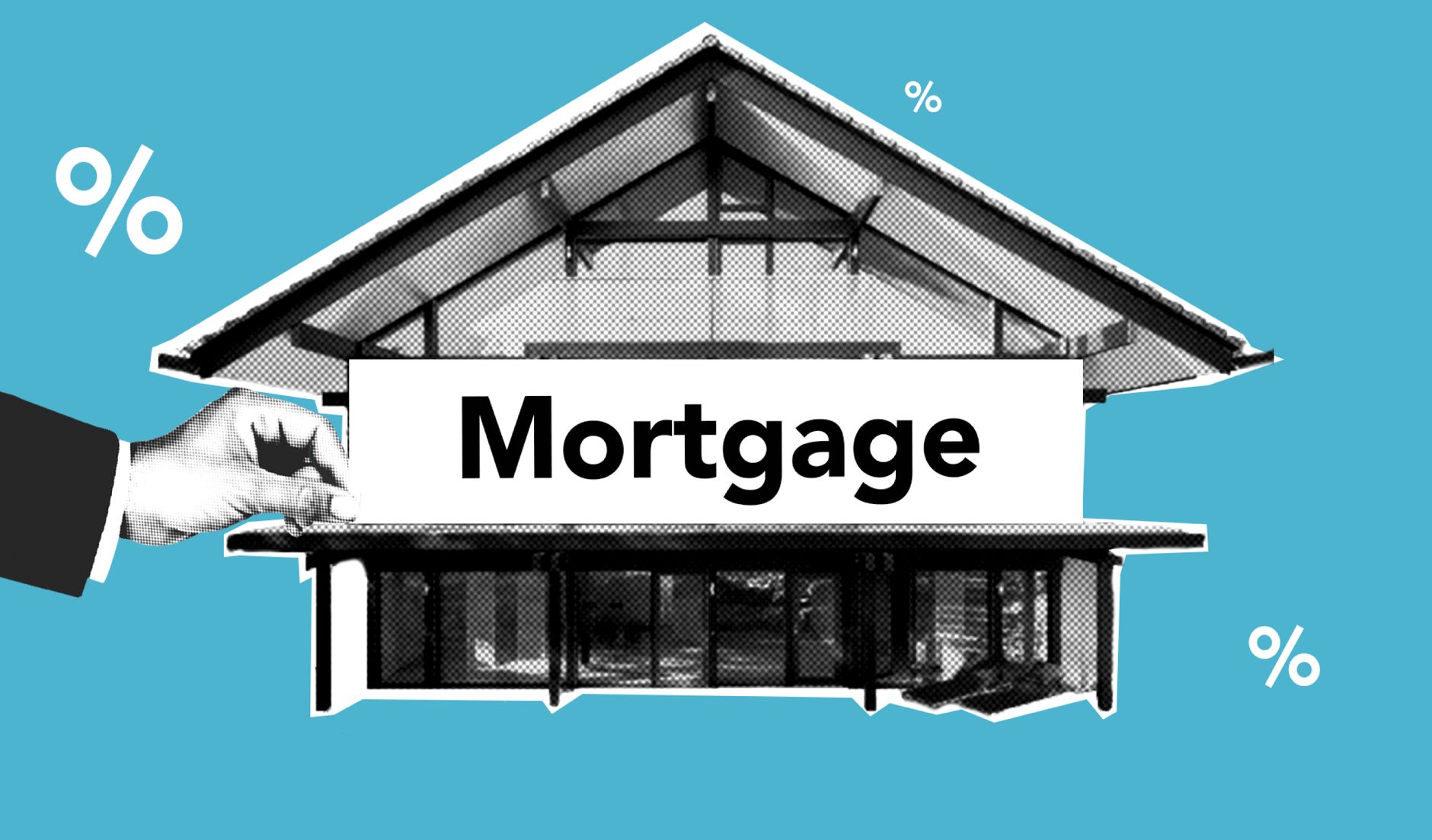
- Increased borrowing costs: Higher interest rates can lead to increased costs for mortgages and loans, impacting household budgets.
- Sluggish consumer spending: As borrowing becomes more expensive, consumers may reduce spending, leading to a slowdown in economic activity.
- Market volatility: Rate hikes can create uncertainty in financial markets, affecting investor confidence.
Ultimately, the effectiveness of BoE rate hikes will depend on how well they balance inflation control with economic growth.
What Drives Inflation Concerns?
Inflation concerns are shaped by a variety of factors that can significantly impact the economy. Understanding these drivers is crucial, especially in light of recent BoE rate hikes.
Several key elements contribute to rising inflation:
- Energy Prices: Fluctuations in energy costs can lead to increased prices across various sectors, creating a ripple effect throughout the economy.
- Supply Chain Disruptions: Ongoing disruptions can limit product availability, driving up costs and contributing to inflationary pressures.
- Consumer Demand: A surge in consumer spending can further push prices higher, especially when supply is constrained.
- Labor Costs: Rising wages can lead to increased production costs, which businesses may pass on to consumers through higher prices.
As the Bank of England considers further rate hikes, understanding these inflation drivers will be essential in evaluating their effectiveness in stabilizing the economy.
Analysis of Energy Price Fluctuations
The recent fluctuations in energy prices have raised significant concerns regarding inflation, prompting speculation on the upcoming BoE rate hikes. As energy costs have a direct impact on consumer spending and overall economic stability, their volatility cannot be overlooked.
Analysts from Bank of America have indicated that rising energy prices are a primary driver behind inflationary pressures, which could lead to two anticipated rate hikes by the Bank of England. The decision to increase rates aims to curb inflation by reducing demand and stabilizing prices.
However, the relationship between energy prices and inflation is complex. Several factors contribute to this dynamic:
- Global Supply Chain Disruptions: Ongoing supply chain issues can exacerbate energy price volatility.
- Geopolitical Tensions: Conflicts or changes in policy can lead to sudden spikes in energy costs.
- Market Speculation: Investor behavior can influence energy prices, impacting inflation forecasts.
These elements necessitate careful consideration as the BoE deliberates its approach to rate hikes.
BofA’s Predictions for the Economy
Bank of America (BofA) has made significant predictions regarding the Bank of England’s (BoE) monetary policy in the coming months. They forecast that the BoE rate hikes will occur twice as a response to the ongoing inflationary pressures, primarily driven by surging energy prices.
BofA analysts emphasize that these anticipated rate hikes are essential to mitigate rising inflation and stabilize the economy. They argue that while rate increases may slow economic growth in the short term, they are necessary to combat the prolonged impact of inflation.
Key factors influencing BofA’s outlook include:
- Energy Prices: Continued volatility in energy markets is a primary concern.
- Consumer Spending: Changes in consumer behavior may affect inflation rates.
- Global Economic Conditions: International factors will also play a role in shaping the BoE’s decisions.
Overall, BofA’s predictions suggest that the BoE rate hikes are not only likely but necessary to address inflation effectively.
Future Implications of Monetary Policy Changes
The future implications of monetary policy changes, particularly concerning the BoE rate hikes, are significant for both consumers and businesses. As the Bank of England adjusts interest rates to combat rising inflation, several potential outcomes emerge.
Experts suggest that while rate hikes may stabilize prices in the long term, they could also lead to an economic slowdown if borrowing costs rise too quickly. Key implications include:
- Consumer Spending: Higher rates may dampen consumer confidence, leading to reduced spending.
- Business Investment: Companies could hesitate to invest in growth due to increased financing costs.
- Housing Market: A rise in mortgage rates may cool the housing market, affecting homebuyers and sellers alike.
Ultimately, the effectiveness of the BoE rate hikes in tackling inflation will depend on various factors, including the trajectory of energy prices and overall economic health. Stakeholders must remain vigilant to adapt to these changes.
Photo by Atlantic Ambience on Pexels
Sources
Related stories
Is Quantum Biology Math the Best Approach for Science? · NSE IPO Listing: Smart Strategies for Investors’ Gains · Top-Up Home Loan or a New Loan: Which Is Cheaper?