molecular computer technology is at the forefront of scientific innovation, promising significant advancements in computational efficiency and capabilities. This breakthrough could redefine how we approach complex problem-solving.
What is molecular computer technology?
Molecular computer technology represents a groundbreaking approach to computing, leveraging the unique properties of molecules to perform calculations and store information. Unlike traditional electronic computers, which rely on silicon-based components, molecular computers utilize organic molecules to execute complex tasks at a molecular level. This method not only promises to enhance computational power but also aims to significantly reduce energy consumption.
The core principle behind molecular computing lies in the ability of molecules to undergo chemical reactions that can be harnessed to represent data. These reactions can be manipulated to perform logical operations, paving the way for a new era of computing that operates on a scale far smaller than current technologies.
Key features of molecular computer technology include:
- Miniaturization: Molecular components can be smaller than existing transistors, allowing for denser data storage.
- Energy Efficiency: Molecular processes typically require less energy compared to electronic counterparts.
- Parallelism: Molecules can interact simultaneously, enabling faster computation.
As research progresses, molecular computer technology holds the potential to revolutionize fields ranging from artificial intelligence to complex data analysis.
The science behind molecular computing
Molecular computer technology represents a significant advancement in the realm of computing, merging principles of chemistry and physics to create systems that operate on a molecular scale. This innovative approach leverages the unique properties of molecules, allowing for more efficient information processing and storage.
The science behind molecular computing is rooted in several key concepts:
- Quantum Mechanics: At the core of molecular computing lies quantum mechanics, which enables information to be processed in ways that traditional computers cannot achieve.
- Self-assembly: Molecules can spontaneously arrange themselves into complex structures, which can be harnessed to create intricate computing architectures.
- Thermodynamics: The principles of thermodynamics play a critical role in the stability and efficiency of molecular systems, guiding the design of molecular circuits.
Researchers are exploring various types of molecular systems, including DNA-based computers and organic molecules, each offering unique advantages. As these systems develop, molecular computer technology promises to revolutionize our understanding of computation, potentially leading to breakthroughs in fields such as medicine, artificial intelligence, and data processing.
Benefits of molecular computer technology
Molecular computer technology offers several significant benefits that could revolutionize the field of computing. By utilizing molecules to perform computing tasks, this technology presents a range of advantages over traditional silicon-based systems.
- Increased Efficiency: Molecular computers can operate at a much lower energy level compared to conventional computers, significantly reducing power consumption.
- Higher Density: The small size of molecules allows for a greater density of data storage and processing capabilities, enabling more complex calculations in a compact form.
- Speed: Molecular computing can potentially achieve faster processing speeds by harnessing the properties of molecules to perform multiple calculations simultaneously.
- Sustainability: The use of molecular components can lead to more environmentally friendly computing solutions, reducing the reliance on scarce materials and decreasing electronic waste.
- Novel Applications: This technology opens the door to innovative applications in fields such as medicine, artificial intelligence, and materials science, paving the way for breakthroughs that were previously unimaginable.
As researchers continue to explore the potential of molecular computer technology, its benefits may soon transform not only how we compute but also how we solve some of the world’s most pressing challenges.
Challenges faced in molecular computing
Molecular computer technology holds great promise for the future, yet it faces several challenges that must be addressed for its successful implementation. These challenges include:
- Stability of Molecules: The fragile nature of molecular components can lead to instability, affecting the reliability of computations.
- Scalability: Developing molecular systems that can scale up efficiently while maintaining performance is a significant hurdle.
- Integration with Existing Technologies: Finding ways to integrate molecular computing with current electronic systems poses technical difficulties.
- Control Mechanisms: Precise control of molecular interactions is necessary for accurate data processing, but achieving this control at the nanoscale remains complex.
- Thermodynamic Constraints: The thermodynamic properties of molecules can limit the efficiency of molecular computers, requiring innovative solutions to overcome these barriers.
These challenges highlight the need for ongoing research in molecular computer technology. Addressing these issues will be crucial for harnessing the full potential of molecular computing, paving the way for advancements that could revolutionize the field of information technology.
Recent advancements in the field
Recent advancements in the field of molecular computer technology have shown promising potential, leading researchers to explore new horizons in computing capabilities. Notably, a breakthrough in creating a thermodynamically favored molecular computer has opened doors to more efficient data processing methods.
These developments focus on integrating molecular structures that can perform calculations at a molecular level, offering significant advantages over traditional silicon-based systems. Key advancements include:
- Improved computational speed: Researchers have demonstrated that molecular computers can process information at unprecedented rates, potentially surpassing current technological limits.
- Energy efficiency: Molecular computer technology significantly reduces the energy required for computation, aligning with global sustainability goals.
- Scalability: The ability to scale down to molecular sizes allows for the development of smaller, more powerful computing systems that can fit into a variety of applications.
- Enhanced data storage: Innovations in molecular memory have shown the potential for storing vast amounts of data in a compact space.
As these advancements continue to unfold, the future of molecular computer technology looks increasingly bright, promising a transformation in how we approach computing.
How molecular computing compares to classical methods
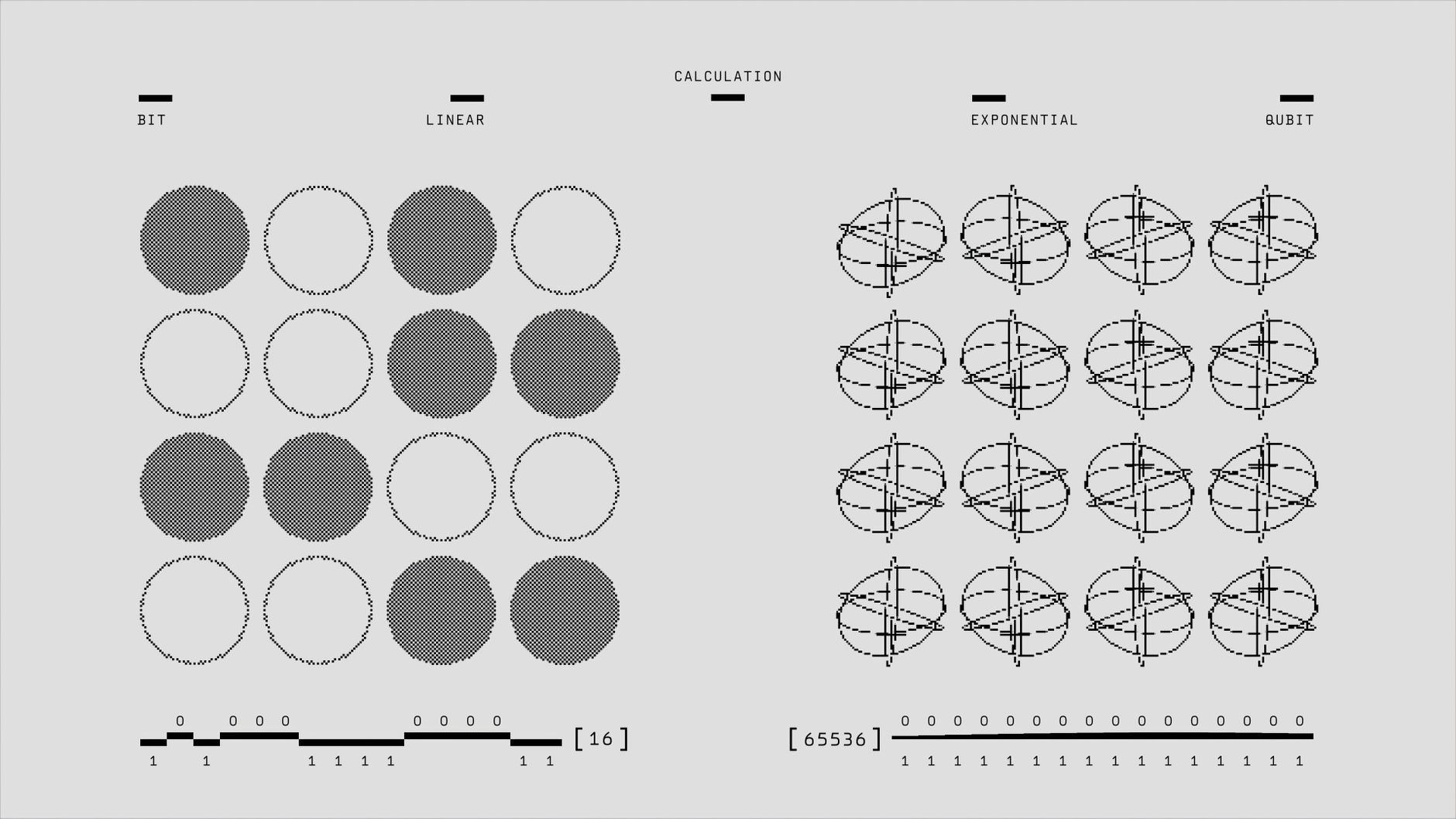
Molecular computer technology represents a significant departure from classical computing methods, primarily in the way information is processed and stored. While classical computers rely on binary systems—using bits as the smallest unit of data—molecular computers utilize molecules to encode information, allowing for a vastly different operational paradigm.
One of the most notable differences is in processing power and efficiency. Classical computers face limitations in speed and energy consumption when performing complex calculations. In contrast, molecular computing can perform multiple calculations simultaneously due to the parallel nature of molecular interactions. This capability could potentially lead to breakthroughs in solving problems that are currently intractable for traditional computers.
- Size and Scalability: Molecular computers can achieve miniaturization beyond the capabilities of classical systems, potentially fitting millions of processors within a tiny space.
- Energy Efficiency: Molecular computing can reduce energy consumption significantly, as molecular operations often require less energy than their classical counterparts.
- Data Density: The ability to store vast amounts of information in molecular structures surpasses traditional storage methods.
In summary, the emergence of molecular computer technology could redefine our understanding of computing, offering solutions that classical methods may never achieve.
Future implications of molecular technology
The future implications of molecular computer technology are profound, potentially transforming various sectors and enhancing computational capabilities beyond current limitations. As researchers continue to refine this innovative technology, several key areas stand to benefit significantly.
- Healthcare: Molecular computing could lead to breakthroughs in personalized medicine, allowing for rapid analysis of genetic data and the development of targeted therapies.
- Artificial Intelligence: The integration of molecular computing may enable more efficient data processing, enhancing machine learning algorithms and AI functionalities.
- Environmental Science: This technology has the potential to improve simulations related to climate change, aiding in the development of sustainable solutions.
- Cryptography: With its ability to process information at unprecedented speeds, molecular computing could revolutionize data security, making encryption methods more robust.
Moreover, as molecular computers become more accessible, new industries may emerge, driven by their unique capabilities. The synergy between molecular computing and other advanced technologies is likely to create opportunities that we have yet to fully explore, paving the way for a smarter, more efficient future.
Expert opinions on molecular computing
Experts in the field of molecular computer technology are increasingly optimistic about its potential to revolutionize computing. Dr. Alice Nguyen, a leading researcher, states that “the miniaturization and efficiency offered by molecular computing could surpass traditional silicon-based systems.” She emphasizes the importance of interdisciplinary collaboration, noting that breakthroughs in chemistry and materials science are essential for advancing this technology.
Meanwhile, Dr. Raj Patel highlights the issue of scalability. “As we make progress, we must ensure that molecular computer technology can be integrated into existing infrastructures,” he explains. “This includes both hardware and software adaptations.” Dr. Patel believes that overcoming these challenges will unlock new capabilities in data processing and storage.
Additionally, Dr. Sarah Kim points out the environmental benefits of molecular computing, suggesting that its energy efficiency could lead to significant reductions in electronic waste. “The shift towards molecular computing aligns with our global goals for sustainability,” she notes.
- Dr. Alice Nguyen: Optimistic about surpassing traditional systems.
- Dr. Raj Patel: Emphasizes need for scalability.
- Dr. Sarah Kim: Highlights environmental benefits.
Photo by Google DeepMind on Pexels