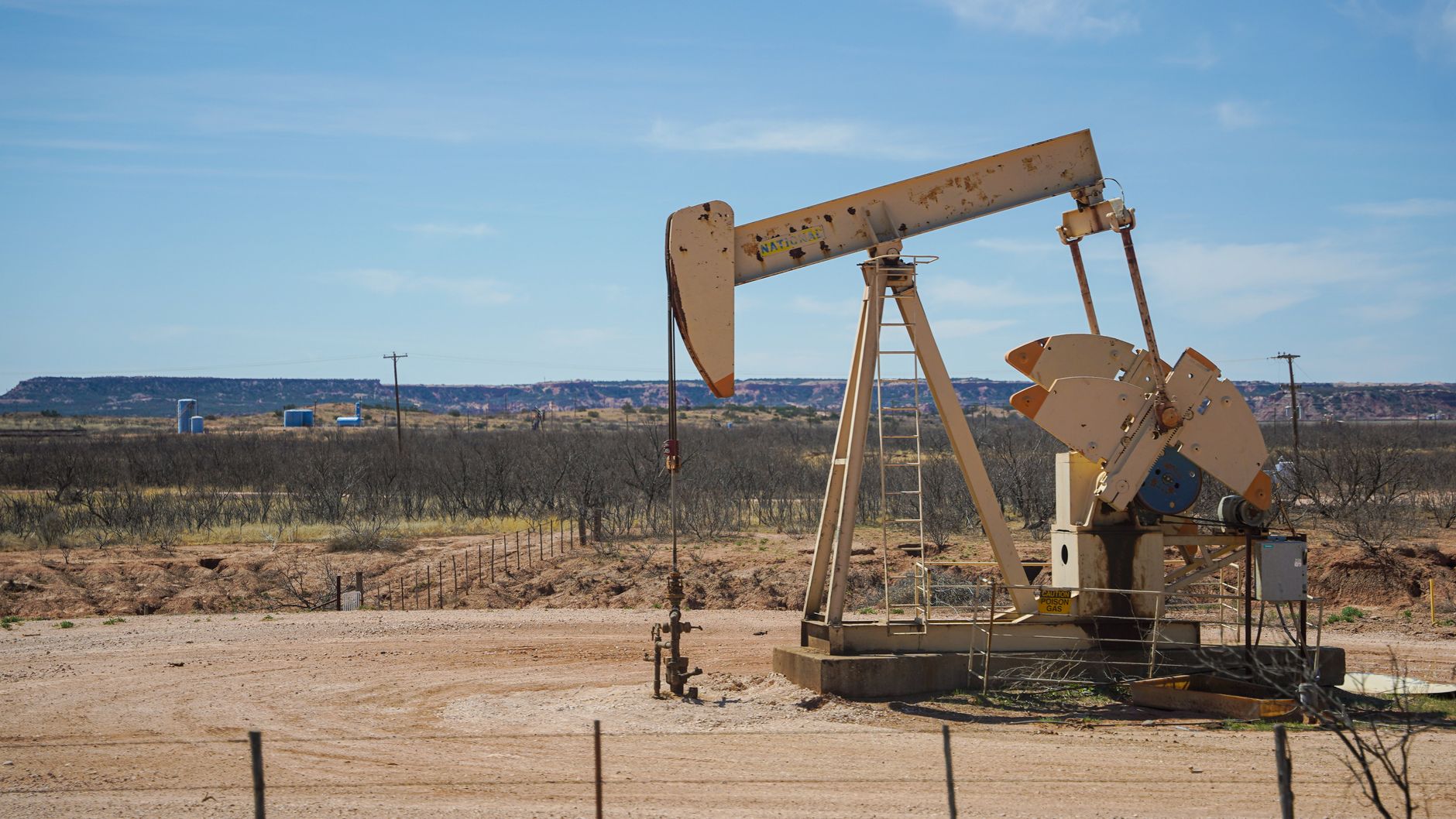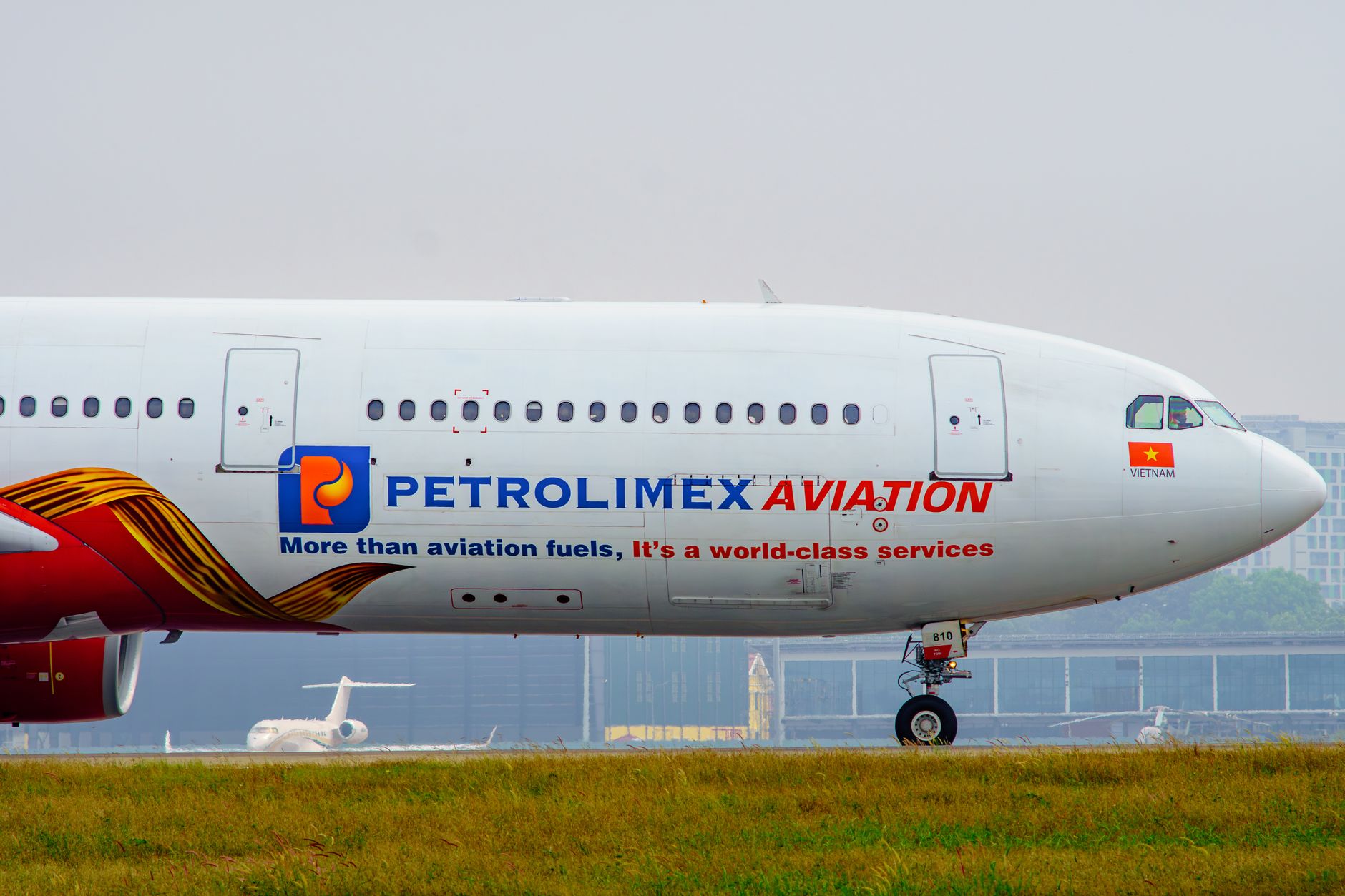
Asian Airlines fuel prices have reached alarming levels, presenting a serious challenge for the industry this year. With crude oil prices hitting $148 a barrel, airlines must navigate this volatile market carefully.
Understanding the Current Fuel Price Surge
The recent surge in fuel prices has sent shockwaves through the aviation industry, particularly affecting Asian airlines. With prices soaring to an alarming $148 per barrel, these airlines are caught in a precarious situation that could redefine their operational strategies.
Several factors contribute to this unprecedented spike in fuel costs:
- Geopolitical tensions: Ongoing conflicts and political instability in oil-producing regions have led to supply chain disruptions.
- Increased demand: As global travel rebounds post-pandemic, the demand for fuel has surged, further straining available resources.
- Environmental regulations: Stricter regulations aimed at reducing carbon emissions have forced airlines to invest in cleaner, but often more expensive, alternatives.
For Asian airlines, this fuel price surge represents a significant gamble. With profit margins already razor-thin, the increased costs could lead to drastic measures, including fare hikes or route reductions. Industry analysts fear that without effective strategies to mitigate these rising expenses, many airlines may struggle to remain profitable.
As the situation evolves, stakeholders will be closely monitoring how these airlines navigate this challenging landscape, balancing operational viability and customer demand amidst soaring fuel prices.
Impact of Oil Prices on Airlines
The fluctuating oil prices have become a major concern for Asian airlines, significantly impacting their operational costs and profitability. As fuel prices soar, airlines are forced to navigate a challenging environment where every decision can lead to substantial financial repercussions.
Recently, Asian airlines have been grappling with the implications of fuel prices reaching up to $148 a barrel. This surge creates a precarious situation for carriers already struggling to recover from the pandemic’s impact. The consequences of these elevated fuel prices can be profound:
- Increased Ticket Prices: Airlines may have no choice but to pass on the rising costs to consumers, potentially leading to a decrease in demand.
- Operational Adjustments: Carriers might need to rethink their route strategies, opting for more profitable destinations or reducing flight frequencies.
- Financial Strain: Higher fuel costs can erode profit margins, forcing airlines to seek additional funding or cut back on services.
As Asian airlines continue to grapple with these challenges, the volatility of fuel prices remains a critical factor in determining their future viability. The current landscape presents a daunting gamble, as they strive to balance affordability with sustainability in an increasingly competitive market.
Strategies for Cost Management
As Asian airlines grapple with soaring fuel prices, implementing effective strategies for cost management has become crucial for survival. The recent spike in fuel costs has forced airlines to reassess their operational models and explore innovative solutions to mitigate financial risks.
One common strategy involves enhancing operational efficiency. Airlines are increasingly adopting fuel-efficient aircraft and investing in technology that optimizes flight routes and reduces fuel consumption. By streamlining operations, carriers can offset some of the burdens imposed by rising fuel prices.
Additionally, many airlines are looking to hedge fuel costs as a way to stabilize expenses amidst fluctuating market prices. Hedging allows companies to lock in fuel prices, providing a buffer against sudden spikes. However, this strategy requires careful analysis and risk assessment, as incorrect predictions can lead to significant losses.
Moreover, airlines are also focusing on diversifying revenue streams. By expanding ancillary services such as baggage fees, in-flight sales, and premium services, airlines can generate additional income to counterbalance escalating fuel costs. In a landscape where Asian airlines face unprecedented challenges due to fuel price volatility, adapting these strategies may prove essential for long-term sustainability.
Regional Variations in Fuel Costs
As Asian airlines navigate the turbulent waters of rising operational costs, regional variations in fuel prices present both challenges and opportunities. The stark differences in fuel costs across Asia can significantly impact the financial health of airlines operating in this competitive landscape.
Countries like Japan and South Korea have seen fuel prices soar, often exceeding $148 per barrel, primarily due to their reliance on imported oil. In contrast, Southeast Asian nations, such as Indonesia and Malaysia, benefit from slightly lower fuel prices, thanks to local production and government subsidies.
The following factors contribute to these regional discrepancies:
- Government Policies: Some governments implement price controls or subsidies that can mitigate fuel costs for airlines.
- Currency Fluctuations: The strength of local currencies against the US dollar can affect fuel purchasing power.
- Logistical Challenges: Transporting fuel to remote airports can increase costs significantly.
Understanding these regional variations in fuel costs is essential for Asian airlines as they strategize to adapt to the ongoing volatility in the market. With fuel prices being a critical factor, effective management of these costs will be crucial for sustaining profitability in 2023.
Future Projections for Fuel Prices
As the year progresses, the outlook for Asian airlines fuel prices remains uncertain, with projections suggesting continued volatility. Analysts predict that fuel prices could fluctuate significantly due to geopolitical tensions and supply chain disruptions. The current average price of fuel for Asian airlines stands at approximately $148 a barrel, raising concerns among industry leaders about sustainable operational costs.
Several factors contribute to these future projections:
- Global Oil Demand: With economies around the world recovering from the pandemic, the demand for oil is expected to rise, potentially pushing prices even higher.
- Geopolitical Instability: Ongoing conflicts in oil-producing regions may lead to sudden price spikes, affecting the cost structure of airlines in Asia.
- Environmental Regulations: Stricter regulations aimed at reducing carbon emissions may require airlines to invest in alternative fuels, which could impose additional costs.
- Currency Fluctuations: The strength of local currencies against the US dollar can significantly impact the purchasing power of airlines when acquiring fuel.
As a result, the outlook for Asian airlines fuel prices in the coming months suggests a precarious gamble that could shape the industry’s financial landscape.
Government Policies Affecting Airlines
Government policies play a crucial role in shaping the landscape of the airline industry, particularly as Asian airlines grapple with soaring fuel prices. The regulatory framework surrounding fuel taxation, subsidies, and environmental standards directly influences operational costs. In many Asian countries, fluctuating policies regarding fuel import tariffs can create significant financial strain for airlines already coping with high fuel prices.
Several governments are considering measures to alleviate the burden on airlines, such as temporary fuel tax exemptions or direct subsidies. However, these policies can also be politically contentious, as they may require reallocating funds from other essential public services.
Moreover, the implementation of stricter environmental regulations aimed at reducing carbon emissions adds another layer of complexity. Airlines are increasingly pressured to invest in more fuel-efficient technologies and sustainable fuel sources, which can involve substantial upfront costs, especially during a period of rising fuel prices.
- Fuel Tax Policies: Variability in taxation can influence operational strategies.
- Subsidy Initiatives: Potential government support may help mitigate financial pressures.
- Environmental Regulations: Stricter standards require investment in sustainable practices.
Overall, the interplay between government policies and the current situation of Asian airlines fuel prices is a gamble that could determine their financial viability in 2023 and beyond.
Conclusion: Navigating the Fuel Gamble
As Asian airlines grapple with soaring fuel prices, the stakes have never been higher. The current market situation, characterized by prices reaching as much as $148 a barrel, poses significant challenges and potential risks for carriers across the region. Asian Airlines fuel prices are not only impacting operational costs but also influencing pricing strategies and customer demand.
In navigating this fuel gamble, airlines must adopt a multifaceted approach. First, they need to enhance operational efficiencies, which can include optimizing flight routes and improving fuel consumption metrics. Additionally, the implementation of hedging strategies can provide a buffer against volatile price swings, although this comes with its own set of risks.
Moreover, fostering partnerships with fuel suppliers can lead to more favorable purchasing agreements, ultimately helping to mitigate costs. As airlines continue to adapt, they must remain aware of regional variations in fuel pricing and government policies that may further affect their financial health.
In conclusion, the journey ahead for Asian airlines is fraught with uncertainty. By strategically managing fuel costs and adapting to market conditions, carriers can better position themselves to weather the tumultuous landscape of 2023 and beyond.
As the industry grapples with rising operational costs, Asian Airlines fuel prices have become a focal point of concern for many carriers. The unpredictability of these Asian Airlines fuel prices is forcing airlines to rethink their strategies for the upcoming year.
Photo by Pexels User on Pexels