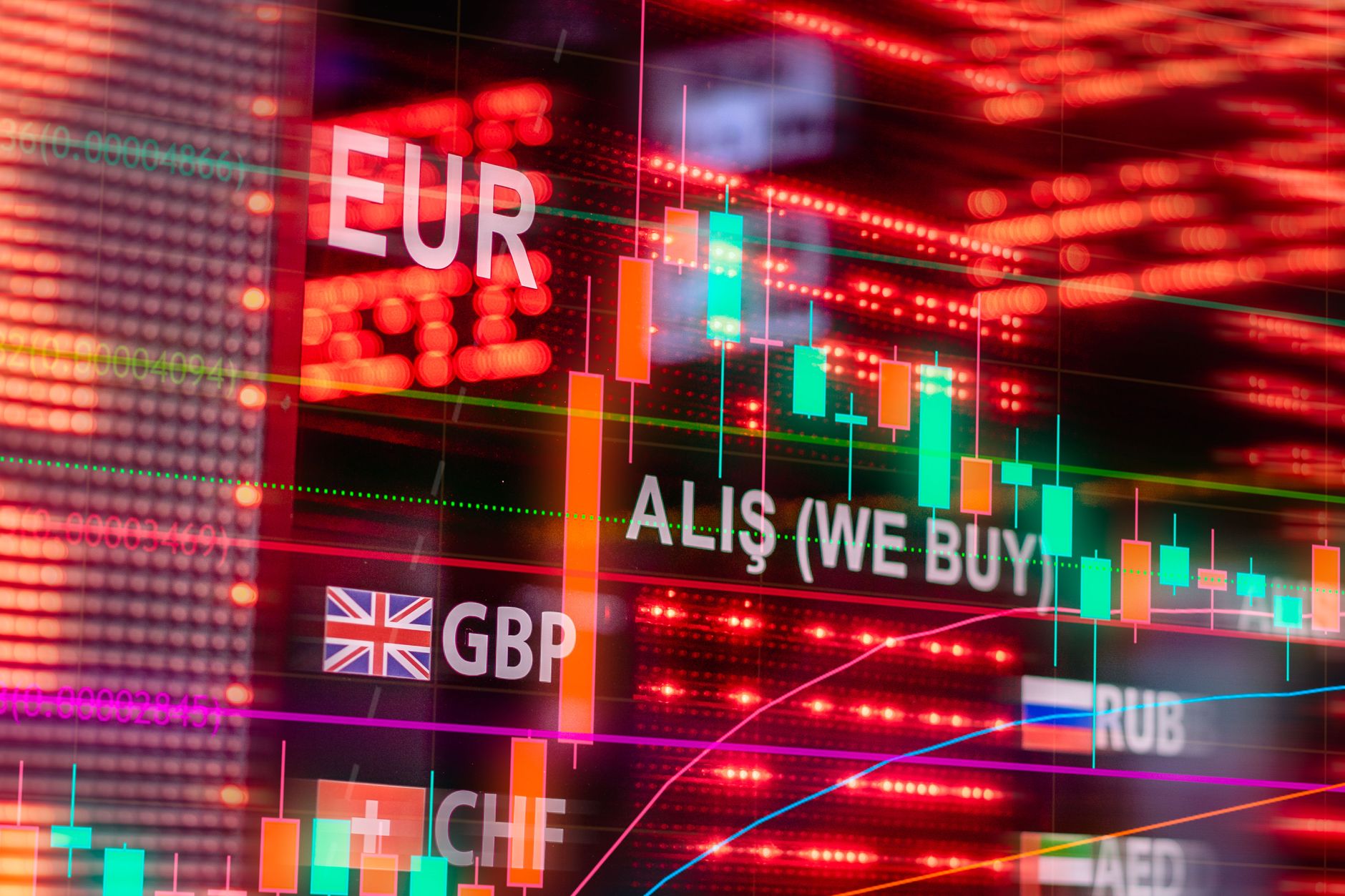
The policy rate increase has now been raised to 12pc, impacting financial markets and consumer loans. This change is significant for both borrowers and savers alike.
Understanding the Policy Rate Increase
The recent decision by the central bank to raise the policy rate by 50 basis points to 12% has significant implications for households and businesses alike. Understanding the policy rate increase is essential for navigating the financial landscape in the coming months.
When the central bank adjusts the policy rate, it affects the overall interest rates across the economy. This increase can lead to a variety of outcomes:
- Loan Costs: Borrowing costs for personal loans, mortgages, and business loans are likely to rise, making it more expensive for consumers and businesses to finance their activities.
- Saving Rates: On the flip side, savers may benefit from higher interest rates on savings accounts, providing an incentive to save more.
- Investment Impact: Businesses may reconsider expansion plans due to higher borrowing costs, which could slow economic growth.
- Consumer Spending: As loan repayments increase, consumers might tighten their budgets, leading to decreased spending in the economy.
Overall, the policy rate increase is a crucial factor that individuals and businesses must consider when planning their financial strategies.
Impact on Consumer Loans
The recent decision by the central bank to raise the policy rate by 50 basis points to 12 percent has significant implications for consumer loans. As financial institutions adjust their interest rates in response, borrowers may experience increased costs across various types of loans.
- Personal Loans: With the policy rate increase, the interest rates on personal loans are likely to rise. This means that individuals looking to borrow for personal expenses may find themselves paying more in monthly repayments.
- Mortgage Loans: Homebuyers may also feel the effects of the higher policy rate. As mortgage rates increase, potential homeowners could face higher costs over the life of their loans, making homeownership less affordable.
- Auto Loans: For those seeking to finance a vehicle, the increase in policy rates may lead to higher interest charges on auto loans, impacting the overall cost of purchasing a car.
In summary, the policy rate increase is set to affect consumers significantly. Borrowers should prepare for higher loan costs and may need to reassess their financial strategies moving forward.
Savings Account Rates After the Increase
The recent decision by the central bank to raise the policy rate by 50 basis points to 12 percent has significant implications for savings account rates. As financial institutions adjust their offerings, consumers may notice changes in the interest rates applied to their savings.
In the wake of the policy rate increase, many banks are expected to enhance the interest rates on savings accounts to attract deposits. This could lead to several benefits for account holders:
- Higher Returns: Customers may earn more on their savings, as banks offer competitive rates to retain and attract funds.
- Incentives to Save: Improved rates can encourage individuals to save more, helping them build a financial cushion.
- Inflation Hedge: With rising inflation concerns, higher savings rates can help mitigate the impact of decreased purchasing power.
However, it is essential for savers to shop around and compare different financial institutions, as not all may pass on the full benefits of the policy rate increase. Keeping an eye on the evolving landscape will ensure that consumers make the most of their savings in this changing financial environment.
Economic Implications of Higher Rates
The recent policy rate increase by the central bank has significant economic implications that are being felt across various sectors. With the rate raised by 50 basis points to 12%, businesses and consumers alike are adjusting to the new financial landscape.
One of the most immediate effects is on borrowing costs. Higher policy rates typically lead to increased interest rates on loans, which may discourage businesses from taking out new loans for expansion. This can result in slower economic growth as companies may delay investments due to higher costs.
Moreover, consumers planning to make large purchases, such as homes or cars, may face steeper monthly payments. As a result, many are re-evaluating their budgets and spending habits. The following are key implications of the recent rate hike:
- Increased Loan Costs: Higher rates translate to more expensive loans.
- Impact on Consumer Spending: Reduced purchasing power may lead to decreased consumer spending.
- Effects on Inflation: The central bank aims to combat inflation with these measures.
As the economy navigates through these changes, individuals and businesses will need to adapt their financial strategies accordingly.
Expert Opinions on the Rate Change
Experts are weighing in on the recent policy rate increase, which saw the central bank raise rates by 50 basis points to 12 percent. According to financial analysts, this change could have several significant effects on both the economy and individual finances.
Dr. Emily Johnson, an economist at the National Financial Institute, stated, “The policy rate increase is a necessary measure to curb inflation. However, it will also lead to higher borrowing costs for consumers and businesses alike.” This sentiment is echoed by many in the financial sector, who urge caution for those considering new loans.
Investment strategist Mark Stevens added, “For savers, this increase might seem beneficial as savings account rates could rise. However, the overall economic environment remains uncertain, and consumers should prepare for potential volatility.”
Moreover, Lisa Chen, a personal finance advisor, emphasized the importance of adapting to these changes. “With the policy rate increase, individuals should reassess their budgets and financial strategies to remain resilient during this transition,” she advised.
In summary, as the implications of the policy rate increase unfold, expert opinions underline the need for careful financial planning and awareness of the broader economic landscape.
Historical Context of Policy Rate Changes
The recent decision by the central bank to raise the policy rate by 50 basis points to 12 percent marks a significant shift in the financial landscape. To fully understand the implications of this policy rate increase, it is essential to consider the historical context of such changes.
Over the past two decades, central banks worldwide have adjusted their policy rates in response to various economic conditions. Key moments include:
- 2008 Financial Crisis: A dramatic rate cut aimed at stimulating the economy led to historically low rates.
- 2015 Recovery Phase: Gradual increases began as the economy showed signs of recovery, stabilizing consumer confidence.
- 2020 Pandemic Response: Another round of cuts was implemented to counteract economic downturns caused by the global pandemic.
Historically, these adjustments have been crucial for controlling inflation and encouraging spending or saving. The latest policy rate increase reflects the central bank’s attempt to combat rising inflationary pressures while ensuring economic stability. As consumers and investors react to these changes, understanding this historical context becomes vital for making informed financial decisions.
What This Means for Borrowers
As the central bank raises the policy rate by 50 basis points to 12%, borrowers are likely to feel a significant impact on their financial obligations. This increase in the policy rate directly affects various types of loans, leading to higher interest rates for consumers.
For those with existing loans, such as personal loans or mortgages, the immediate consequence may include:
- Increased Monthly Payments: Borrowers may see their monthly payments rise, putting additional strain on household budgets.
- Higher Costs of New Loans: Individuals looking to take out new loans will face steeper interest rates, making borrowing more expensive.
- Impact on Credit Scores: Struggling to meet higher payment obligations could potentially harm borrowers’ credit ratings.
Moreover, the policy rate increase may lead to a shift in borrowing behavior. Many consumers might reconsider taking on new debt, leading to a slowdown in spending. This cautious approach can have ripple effects throughout the economy, further influencing financial decisions. Overall, understanding the implications of the policy rate increase is essential for borrowers as they navigate their financial futures.
Future Projections for Interest Rates
As the central bank implements a policy rate increase of 50 basis points, predicting future interest rate trends becomes crucial for consumers and businesses alike. Financial analysts suggest that the current environment of inflationary pressure may lead to further adjustments in the coming months.
Several factors will influence the trajectory of interest rates:
- Inflation Trends: If inflation remains above target levels, the central bank may continue to raise rates to stabilize the economy.
- Economic Growth: A slowdown in economic growth could prompt a reassessment of the policy rate increase strategy.
- Global Economic Conditions: External factors, including international trade dynamics, may also play a significant role in shaping future rate decisions.
Experts predict that if consumer spending begins to decline due to higher borrowing costs, the central bank may reconsider further rate hikes. However, if inflation persists, it is likely that the policy rate increase will remain a core strategy for controlling economic stability. For individuals, understanding these potential changes is essential for making informed financial decisions moving forward.
By NASA Goddard Photo and Video via Openverse