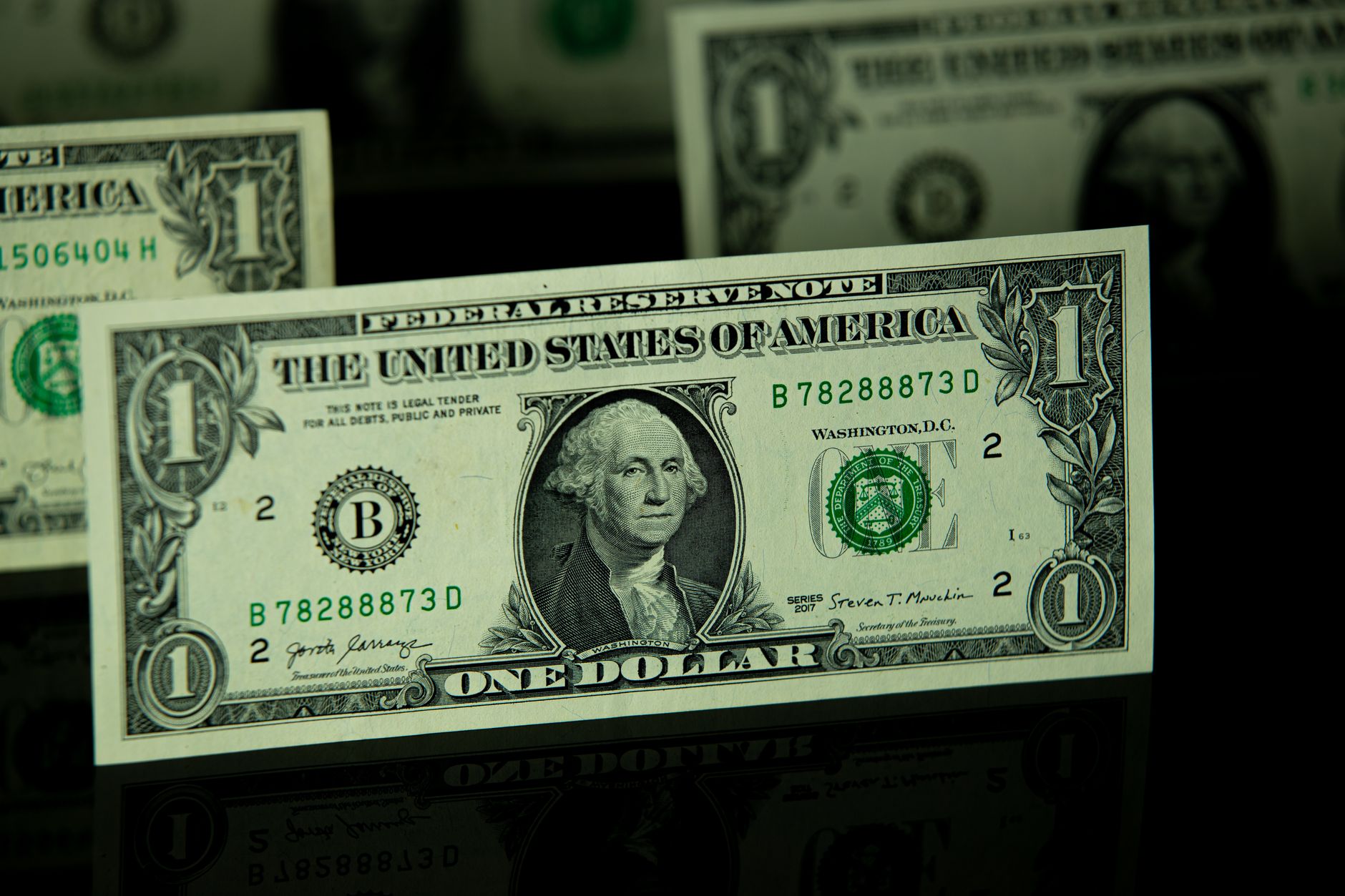
US rate hikes are currently holding the dollar near a 19-month high, as recent data strengthens the case for potential increases in interest rates.
Understanding US Rate Hikes
The recent trend of US rate hikes has garnered significant attention in financial markets, particularly regarding its influence on the strength of the US dollar. When the Federal Reserve increases interest rates, it effectively raises the returns on investments denominated in US dollars, drawing foreign capital and bolstering the currency’s value.
Several factors contribute to the impact of rate hikes on the dollar:
- Interest Rate Differentials: As the Fed raises rates, the gap between US interest rates and those of other countries widens, making US assets more attractive.
- Inflation Control: Rate hikes are often implemented to combat inflation, which can stabilize the dollar’s purchasing power and enhance investor confidence.
- Market Sentiment: Anticipation of rate hikes can lead to speculative trading, further driving up the dollar’s strength in the short term.
Currently, as the dollar holds near a 19-month high, market data supports the ongoing case for US rate hikes, reflecting the complex interplay between monetary policy and currency valuation. This dynamic illustrates the broader implications of the Fed’s actions on global economic conditions.
Impact on the Dollar
The relationship between US rate hikes and the strength of the dollar is a critical aspect of the global financial landscape. When the Federal Reserve raises interest rates, it often leads to an increase in foreign investment as yields become more attractive.
As a result, the dollar typically appreciates against other currencies. This phenomenon can be observed in recent trends where data supporting further rate hikes has contributed to the dollar holding near a 19-month high.
Several factors illustrate the impact of US rate hikes on the dollar:
- Increased Returns: Higher interest rates provide better returns on dollar-denominated assets, drawing in foreign capital.
- Market Sentiment: Expectations of rate hikes often boost investor confidence in the dollar, leading to speculation and increased demand.
- Global Economic Conditions: Rate hikes can influence global markets, with stronger US economic performance making the dollar a safe haven during uncertainty.
Ultimately, as the Fed continues to navigate its monetary policy, the implications of US rate hikes on the dollar will remain a focal point for investors and analysts alike.
Recent Economic Data Insights
Recent economic data continues to provide insights into the effects of US rate hikes on the strength of the dollar. Recent reports indicate that key indicators are trending positively, which supports the case for further monetary tightening by the Federal Reserve.
Among the notable data points, the following have garnered attention:
- Employment Growth: The labor market shows robust job creation, with unemployment rates remaining low, suggesting economic resilience.
- Consumer Spending: Retail sales have increased, indicating that consumers are confident in their financial situations, which often correlates with a stronger dollar.
- Inflation Rates: Inflation remains above the Fed’s target, prompting discussions around the need for additional rate hikes to cool down price pressures.
These trends suggest that the Federal Reserve may continue to pursue a path of increasing interest rates. As a result, analysts anticipate that the dollar will maintain its strength in the near term, bolstered by the ongoing economic momentum and the potential for future US rate hikes.
Future Projections for Interest Rates
As analysts look ahead, the future projections for interest rates in the United States remain closely tied to economic indicators and inflation trends. The ongoing discussions surrounding US rate hikes suggest that the Federal Reserve may continue to adjust rates in response to evolving economic conditions.
Several key factors will influence these decisions:
- Inflation Rates: Persistent inflation could prompt the Fed to implement further rate hikes to curb spending and stabilize prices.
- Employment Data: A robust labor market may support the case for additional hikes, as higher employment typically leads to increased consumer spending.
- Global Economic Stability: International economic conditions can impact the Fed’s decisions, particularly if global markets show signs of volatility.
- Market Reactions: The financial markets often respond to projections of US rate hikes, which can influence the strength of the dollar.
In summary, the future of interest rates will likely hinge on these critical factors, as investors keenly monitor the Federal Reserve’s next moves in light of ongoing economic developments.
Photo by Sergei Starostin on Pexels
References
Related stories
Dolby Labs earnings: What’s the proven strategy for success? · PPF vs NPS: The Best Tax Efficient Option for Retirement · Average mortgage rate: Is 5.4% the worst for buyers?