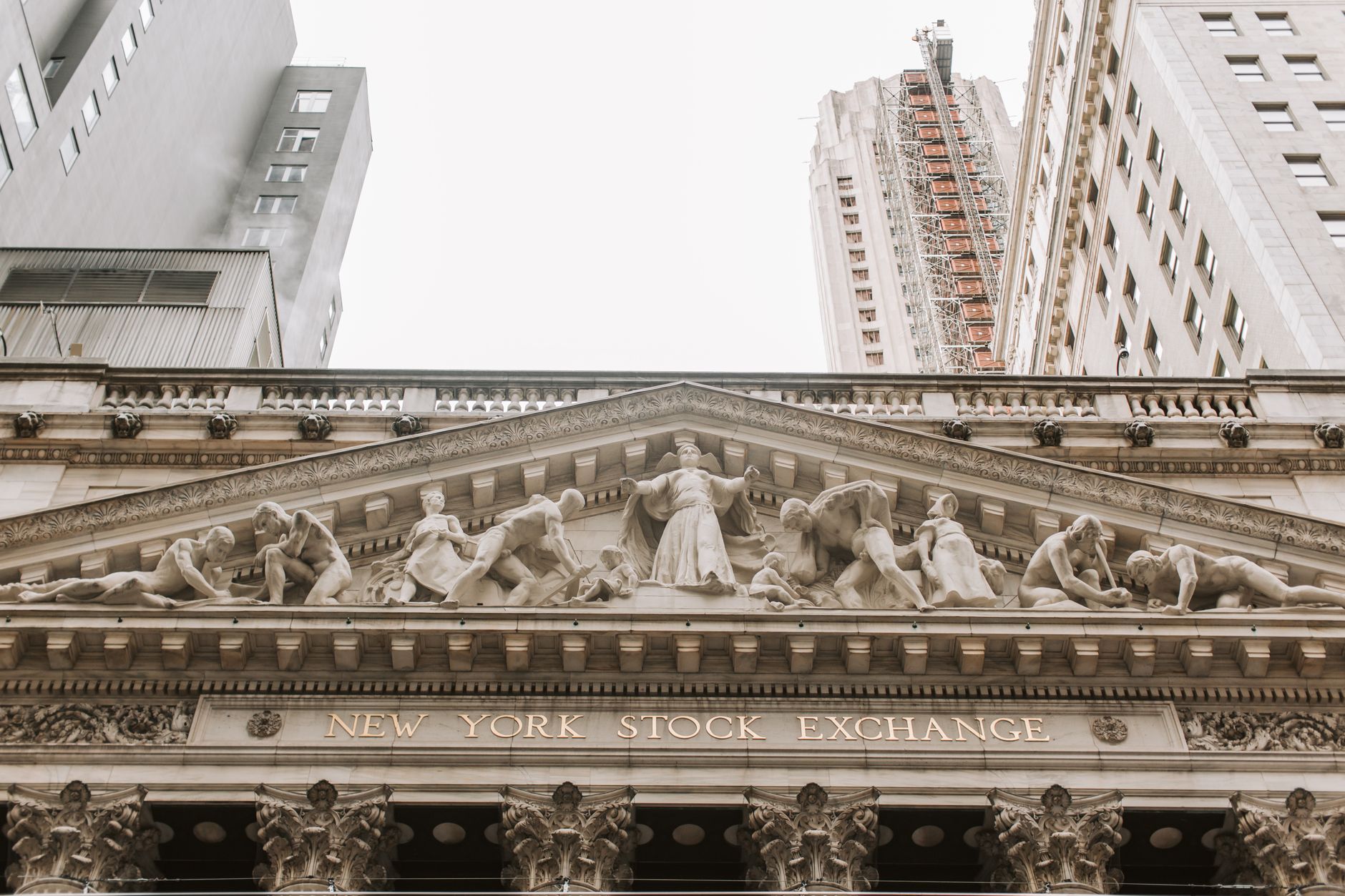
Sensex falls significantly today, reflecting a turbulent market environment. Investors are reacting to heavy selling pressure, particularly in the auto and pharma sectors.
Market Overview
The recent trading session witnessed a significant downturn in the Indian stock market, as the Sensex falls by more than 600 points, marking one of the worst days for investors in recent times. This decline has raised concerns among market participants, particularly in the auto and pharmaceutical sectors, which experienced heavy selling pressure.
The Nifty index also mirrored this decline, dropping by 200 points, reflecting a broad-based sell-off across various sectors. Investors are now closely monitoring the situation, as the market reacts to a combination of domestic and global factors influencing investor sentiment.
- The auto sector has been particularly hard hit, with major companies reporting declining sales figures, prompting fears of a slowdown in consumer demand.
- Pharmaceutical shares have also suffered, as regulatory challenges and supply chain issues continue to impact profitability.
- Analysts suggest that ongoing inflationary pressures and geopolitical tensions are contributing to market instability, leading to heightened volatility.
In light of these developments, market experts are advising caution. They recommend that investors reassess their portfolios and consider diversifying to mitigate risk during these turbulent times. The current situation serves as a reminder of the unpredictable nature of the market and the importance of strategic investment planning.
Impact on Investors
The recent decline in the Sensex has sent shockwaves through the investment community, marking one of the worst days for investors in recent times. With the index falling by more than 600 points, many are left questioning the stability of the market and the potential for recovery.
Experts suggest that heavy selling in sectors such as auto and pharma has significantly contributed to this downturn. As investors react to these trends, the overall sentiment in the market has shifted, leading to increased volatility and uncertainty.
According to analysts, the impact on investors can be profound:
- Loss of Capital: Many investors are witnessing a decrease in their portfolio values, which can lead to significant financial losses.
- Investor Sentiment: The sharp decline in the Sensex is likely to dampen investor confidence, causing many to reconsider their positions.
- Increased Caution: Following such a fall, investors may adopt a more cautious approach, possibly delaying new investments or withdrawing from the market altogether.
In summary, the fall of the Sensex has not only affected market indices but has also created a ripple effect on investor behavior, highlighting the need for a strategic reassessment of investment plans moving forward.
Sector Performance
The recent downturn in the stock market has had a significant impact on various sectors, highlighting the vulnerabilities that investors face during turbulent times. As the Sensex falls by more than 600 points, certain industries have been particularly hard hit.
- Automobile Sector: Major players in the automobile industry witnessed substantial declines. Companies like Tata Motors and Mahindra & Mahindra reported sharp drops in their stock prices, as heavy selling pressure mounted.
- Pharmaceutical Sector: The pharma sector also faced a downturn, with stocks of firms such as Sun Pharmaceutical Industries and Dr. Reddy’s Laboratories falling significantly. Investors reacted to news regarding regulatory challenges and changing market dynamics.
- Banking Sector: Although the banking sector showed some resilience, it was not immune to the overall market trend. State Bank of India and HDFC Bank saw minor declines, reflecting investor caution.
- IT Sector: The information technology sector experienced mixed performance, with companies like Infosys and TCS showing slight resistance, but overall sentiment remained negative.
As the market struggles, investors are closely monitoring sector performance and adjusting their strategies accordingly. The implications of the current market situation may linger, leading to further shifts in investment patterns.
Reasons for Selling
The recent downturn in the stock market has left many investors reeling, particularly as the Sensex falls by more than 600 points. Several factors have contributed to this significant sell-off, prompting a reassessment of investment strategies across various sectors.
- Global Economic Concerns: Investors are increasingly worried about the potential for a global recession. Economic indicators from major markets hint at a slowdown, leading many to retreat from equities.
- Inflation Rates: Persistently high inflation has raised alarms, prompting fears of increased interest rates. This scenario often results in reduced consumer spending, which can negatively impact corporate earnings.
- Sector-Specific Issues: Heavy selling has been observed in the auto and pharma sectors, with companies facing supply chain disruptions and regulatory challenges. This has led investors to liquidate their positions, further exacerbating the market decline.
- Profit Booking: After a prolonged rally, many investors opted for profit booking. With the Sensex falls, the decision to cash in on gains appears prudent to some, further fueling the sell-off.
- Market Sentiment: Negative sentiment has taken hold, leading to a herd mentality among investors. As confidence wanes, even fundamentally strong stocks are not immune to selling pressure.
In light of these factors, investors are urged to remain vigilant and reassess their portfolios in the current volatile market climate.
Future Predictions
As the financial world reacts to the recent downturn, analysts are closely monitoring future forecasts. The latest data indicating that the Sensex falls by over 600 points has raised concerns about the sustainability of current market trends.
Experts suggest that several factors could influence the trajectory of the markets in the coming weeks. The following predictions are based on ongoing analyses:
- Global Economic Indicators: The impact of international market trends, particularly in the US and Europe, will play a significant role. Should these markets stabilize, it may provide a much-needed boost to investor confidence.
- Domestic Policy Changes: Any announcements related to fiscal policies or trade regulations may also affect market dynamics. Investors are keenly awaiting government measures to stimulate growth.
- Sector-Specific Recovery: Certain sectors, including technology and renewable energy, may show resilience. Analysts believe that a shift towards these sectors could offer a hedge against losses in traditional industries.
- Investor Sentiment: Psychological factors could heavily influence market performance. If panic selling continues, the Sensex falls could exacerbate, leading to a further downturn.
In summary, while the current situation appears grim, shifts in global markets, policy responses, and sector performances will be critical in shaping future outcomes for investors navigating these turbulent times.
Expert Opinions
In light of the recent market turmoil, experts have weighed in on the significant decline of the Sensex, which has fallen by more than 600 points. This downturn marks a challenging period for investors, with some analysts predicting a prolonged impact on market sentiment.
Dr. Anjali Mehta, a financial analyst at XYZ Securities, stated, “The sharp drop in the Sensex is a clear indication of the ongoing volatility in the market. Investors should brace themselves for further fluctuations as uncertainty looms over key economic indicators.”
Similarly, Rajesh Kumar, a market strategist, emphasized, “Heavy selling in the auto and pharma sectors has severely affected investor confidence. This trend raises concerns about the broader economic recovery and its implications for retail investors.”
Many experts suggest that this is a time for caution. “Investors should reassess their portfolios and consider diversifying their holdings to mitigate risks,” advised Priya Sharma, a portfolio manager. “Investing in stable sectors could be a safer bet in the current climate.”
Additionally, financial educator Ramesh Iyer noted, “While the Sensex falls are alarming, they could present buying opportunities for astute investors. Historical data shows that markets tend to recover over time, but patience is key.”
In conclusion, expert opinions highlight the critical need for strategic planning amidst these turbulent market conditions.
As the trading session progressed, the sense of panic among traders intensified, leading to a significant decline in stock prices. This marked a day when the Sensex falls, creating a ripple effect that left many investors reeling.