
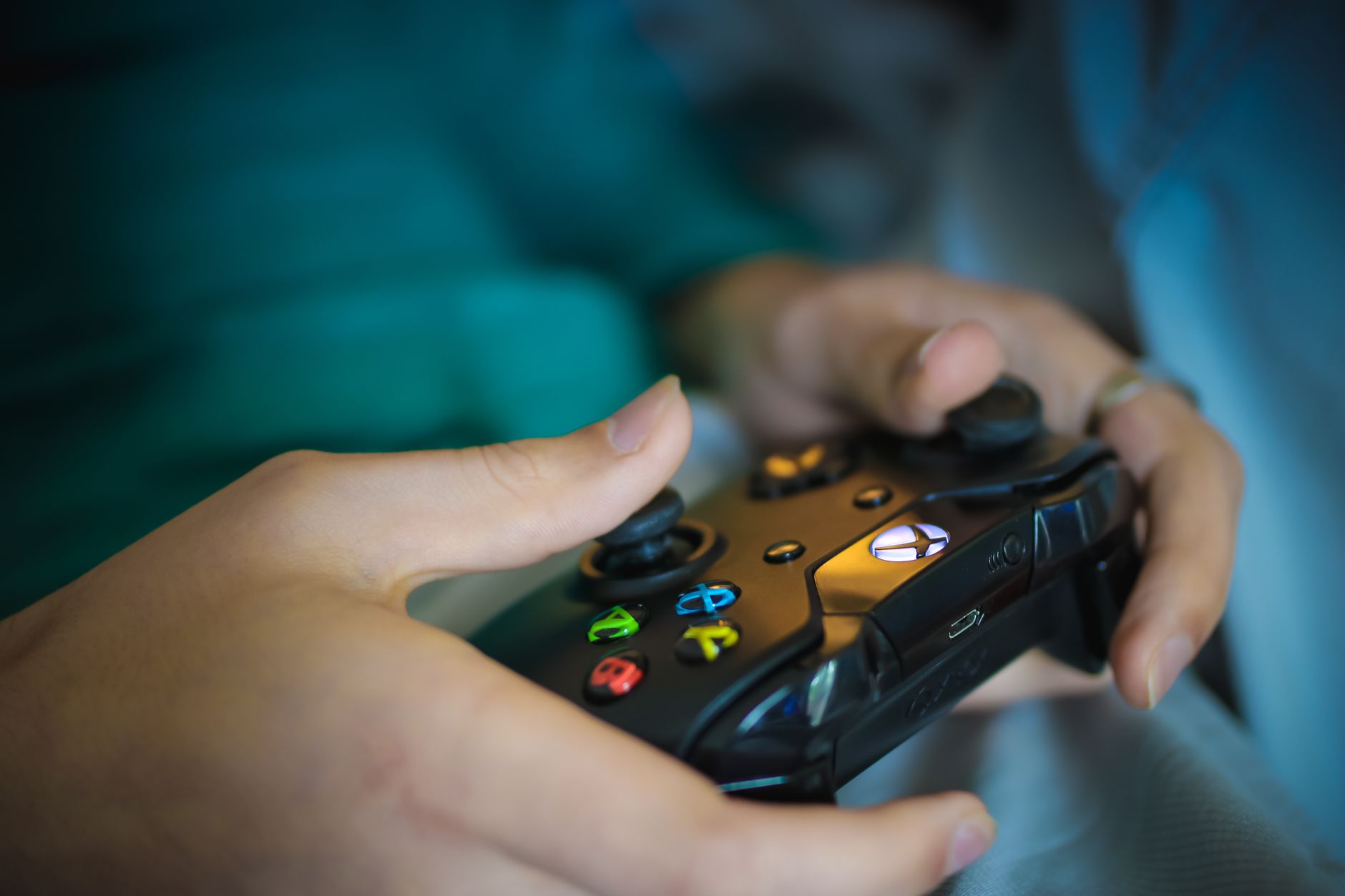
video game ownership is at the forefront of a new legislative proposal. A US Representative has introduced a bill aimed at granting video game buyers genuine ownership instead of just a license.
Understanding Video Game Ownership
In recent discussions surrounding digital media, the concept of video game ownership has gained traction, especially with the introduction of proposed legislation aimed at redefining the relationship between consumers and their games. Traditionally, when players purchase a video game, they are actually acquiring a license to use the software rather than true ownership of the game itself. This distinction has significant implications for how games are accessed, played, and potentially resold.
The proposed bill by a US Representative aims to clarify this relationship by allowing buyers to possess actual ownership rights over the video games they purchase. This means that consumers could have the ability to resell, trade, or modify their games without restrictions imposed by publishers or platforms. Advocates believe that such a change would encourage a more consumer-friendly environment, where players can engage in fair practices similar to those seen in physical goods markets.
However, the move raises questions about the future of digital distribution and the business models of game developers. Supporters argue that true ownership would empower gamers and foster a more vibrant and equitable gaming community. Critics, on the other hand, express concerns about potential impacts on revenue streams for developers and the viability of digital platforms.
Ultimately, the evolving landscape of video game ownership reflects broader trends in digital rights and consumer protection, making it a pivotal issue for both players and industry stakeholders.
The Impact of Digital Licenses
The rise of digital gaming has transformed the landscape of video game ownership, leading to debates about the rights of consumers. Unlike physical copies that can be resold or gifted, digital purchases often come with licenses rather than outright ownership. This distinction has significant implications for gamers.
When players buy a digital game, they often receive a license that allows them to play the game under certain terms set by the publisher. This means:
- The game can be removed from their library at any time.
- Players may be unable to resell or share their games.
- Access to the game can depend on the continued support of the platform provider.
These factors have prompted discussions surrounding consumer rights and protections in the gaming industry. Recently, a proposal by a U.S. Representative aims to redefine video game ownership, advocating for buyers to gain true ownership rather than just a license. If enacted, this bill could alter how digital games are sold and played, making a significant impact on the market.
As gamers increasingly rely on digital platforms, the importance of clear ownership rights becomes even more critical. The proposed changes could empower consumers and redefine their relationship with video game ownership, ensuring that players have more control over the games they purchase.
What the Bill Proposes
The recent proposal by US Representative proposes significant changes to the landscape of video game ownership. This bill aims to redefine how consumers interact with their purchased digital games, emphasizing the notion of ownership over mere licensing agreements.
Under the current model, when buyers purchase a video game, they often receive a license that allows them to play the game, but does not grant them full ownership rights. This has raised concerns about the long-term viability of their investments, as companies can revoke access or alter terms at any time.
The proposed bill outlines several key provisions:
- True Ownership: Buyers would acquire full ownership rights of the games they purchase, allowing them to resell or transfer their digital copies.
- Transparency of Terms: Game publishers would be required to clearly disclose the rights associated with each purchase, ensuring consumers understand what they are acquiring.
- Consumer Protections: The bill includes measures to safeguard buyers against unfair practices, such as remote deactivation of games without cause.
This legislative effort reflects a growing recognition of consumer rights in the digital age, aiming to empower gamers and enhance their experience. If passed, it could fundamentally alter the concept of video game ownership and lead to a shift in how developers and publishers approach their products.
Consumer Reactions to the Proposal
As the debate surrounding video game ownership continues, consumer reactions to the recent proposal by US Representative John Doe have been mixed. Many gamers express enthusiasm for the idea of gaining true ownership of their purchased games, rather than merely a license to use them. This sentiment reflects a growing frustration with digital rights management (DRM) practices that restrict access to purchased content.
Supporters of the proposal highlight a number of potential benefits:
- Freedom of Use: Players would have the ability to sell, trade, or gift their games without restrictions.
- Long-Term Access: Ownership ensures that gamers can access their titles even if the original publisher ceases operations.
- Value Retention: Physical ownership could stabilize the value of video games over time, similar to collectibles.
However, some gamers express concerns about the feasibility of enforcing such ownership rights, especially in a predominantly digital marketplace. “What happens if the servers go down or the company goes bankrupt?” questioned one player in an online forum. Others worry about potential shifts in pricing models and how game developers might respond to changes in ownership rights.
As discussions continue, it remains to be seen whether this proposal will significantly alter the landscape of video game ownership and consumer rights.
Comparing Ownership Models
As the debate surrounding video game ownership continues, it’s essential to compare the traditional ownership model with the emerging digital license system. Traditionally, owning a physical copy of a video game meant complete control over the game itself. Players could sell, trade, or gift their copies without limitations, enjoying a sense of true ownership.
In contrast, the digital license model has shifted the paradigm. When consumers purchase a game digitally, they often receive a license rather than ownership. This arrangement allows game publishers to impose restrictions on how the game can be used. For instance, players are typically unable to sell or share their digital games, raising questions about the value of their purchase. The ability to access a game could also be revoked at any time, should the publisher decide to discontinue support or change its policies.
The proposed bill aims to redefine video game ownership by ensuring that buyers have more rights similar to those enjoyed by owners of physical copies. Proponents argue that this is a necessary step to protect consumer interests in a rapidly evolving market. As digital sales continue to dominate the industry, understanding the implications of these ownership models becomes increasingly crucial for buyers. With this proposal, discussions about the future of video game ownership are likely to gain even more momentum in the coming months.
Future of Video Game Rights
The future of video game ownership is increasingly becoming a topic of heated debate among gamers, developers, and lawmakers. With the rise of digital downloads and online platforms, the traditional concept of ownership has evolved into something more akin to licensing. As players invest time and money into their favorite titles, the question arises: what does it truly mean to own a video game?
As the proposed bill gains traction, it aims to redefine video game ownership by allowing buyers to possess full rights to their purchased games. This shift could potentially change the landscape for consumers, offering them the ability to resell, trade, or even gift their games without restrictions. The implications are vast, particularly for those who have felt constrained by digital licenses that often come with terms and conditions that limit their use.
Proponents of the bill assert that providing clear ownership rights could encourage a more vibrant secondary market, benefiting both consumers and developers. However, critics caution that such changes might disrupt the current business model of many gaming companies, leading to unforeseen consequences.
- Enhanced consumer rights: Buyers could have greater control over their purchases.
- Potential market shifts: A new secondary market for games could emerge.
- Challenges for developers: Companies may need to adapt to new ownership models.
As discussions continue, the future of video game ownership remains uncertain, but the conversation is sure to evolve in the coming years.
Photo by Pixabay on Pexels
Where this came from
Related stories
CoreWeave CEO stock sale: Is it the worst sign for investors? · Dividend champions auto ancillaries: Best Proven Picks · Tech Professionals Return from US: A Proven Shift in Workforce